

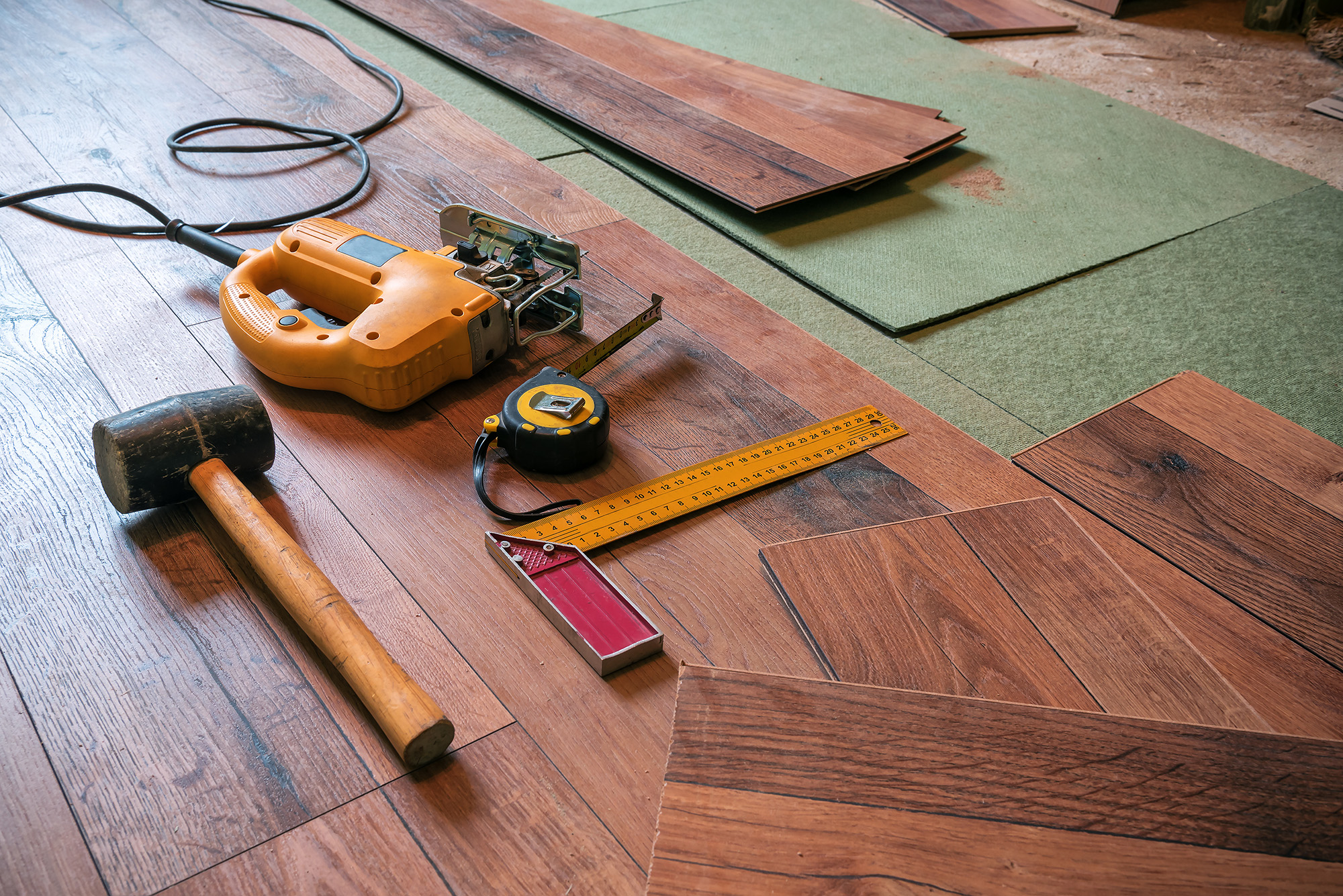
When homeowners fall in love with wide-plank hardwood, they are usually responding to scale. Wider boards create longer visual lines, fewer seams, and a calmer overall floor. In photos, 9-inch boards often look more architectural and more high-end. In real homes, though, the decision is not just visual. It is also about movement, subfloor conditions, installation method, and how stable the home stays through the seasons.
Why 9-inch boards look different from 7-inch boards
A 7-inch board still reads as wide-plank flooring. It gives you a more open look than traditional narrow-strip wood without pushing the room too far into a modern or oversized aesthetic. It is often the safer middle ground for homeowners who want width but still want the floor to feel flexible across colonial, transitional, and contemporary interiors.
A 9-inch board pushes the design further. It reduces seam frequency and makes the floor read more like a surface than a pattern. That can be beautiful in open layouts, larger living spaces, and homes with simpler millwork. It can also make smaller rooms feel more deliberate and less busy, especially when the color is natural and the grain is not overly dramatic.
What moves more, and why
This is the part most homeowners do not hear early enough: wider wood boards generally show seasonal movement more clearly because each board has more surface area responding to moisture change. The National Wood Flooring Association notes that wood flooring performs best when interior conditions stay around 30 to 50 percent relative humidity and 60 to 80 degrees Fahrenheit. NWFA installation guidance also gets stricter as board width increases, including tighter moisture-content tolerances between flooring and subfloor.
That does not mean 9-inch boards are a bad idea. It means they demand more discipline from the house and the installation. In a home with winter dryness, strong HVAC swings, or a marginal subfloor, a wider board gives those variables more room to show up as gapping, slight edge movement, or visual tension.
Where 7-inch boards make more sense
In many real homes, 7-inch hardwood is the more forgiving choice. It still feels current, but it is easier to balance visually in rooms that are not huge. It is also often the more practical pick when:
the home has seasonal humidity swings
the subfloor needs correction but not a total rebuild
the layout moves through several smaller connected rooms
the homeowner wants wide-plank style without maximizing movement risk
For older homes in Worcester County, that middle-width category often lands in a sweet spot. You still get a premium look, but with a bit more technical breathing room.
When 9-inch boards are worth it
Choose 9-inch boards when the room can carry the scale and the job conditions are good enough to support them. That usually means:
a flat, dry, structurally sound subfloor
a properly controlled indoor environment
a product engineered for stability
an installation plan that respects moisture testing and manufacturer specs
This is especially true if the flooring choice is engineered hardwood rather than solid. Engineered construction can improve dimensional stability, which matters when widths increase. The look is dramatic, but the structure has to match the ambition.
The design question most people should ask
Do you want the floor to be a quiet background, or do you want it to read as a major design feature?
A 7-inch board tends to support the room. A 9-inch board tends to announce itself. Neither is automatically better. The better choice is the one that fits both the house and the way you live in it.
Final recommendation for real homes
If you want a broad, elevated look with fewer technical demands, 7-inch boards are often the better all-around answer. If you want a more architectural floor and the home can support it, 9-inch boards can look exceptional. The mistake is choosing width from a showroom photo without thinking about humidity, subfloor prep, and the actual scale of the home.
At L.A.F Floors & Interiors, we help homeowners compare hardwood options in person at Shrewsbury, MA and choose what works for the room, not just what looks good in a sample rack. We proudly serve Worcester, Shrewsbury, Westborough, Southborough, Northborough, Grafton, and Millbury, MA. If you are comparing 7-inch and 9-inch hardwood for your home, contact us to schedule a consultation and get product guidance that is both design-smart and technically sound.

