

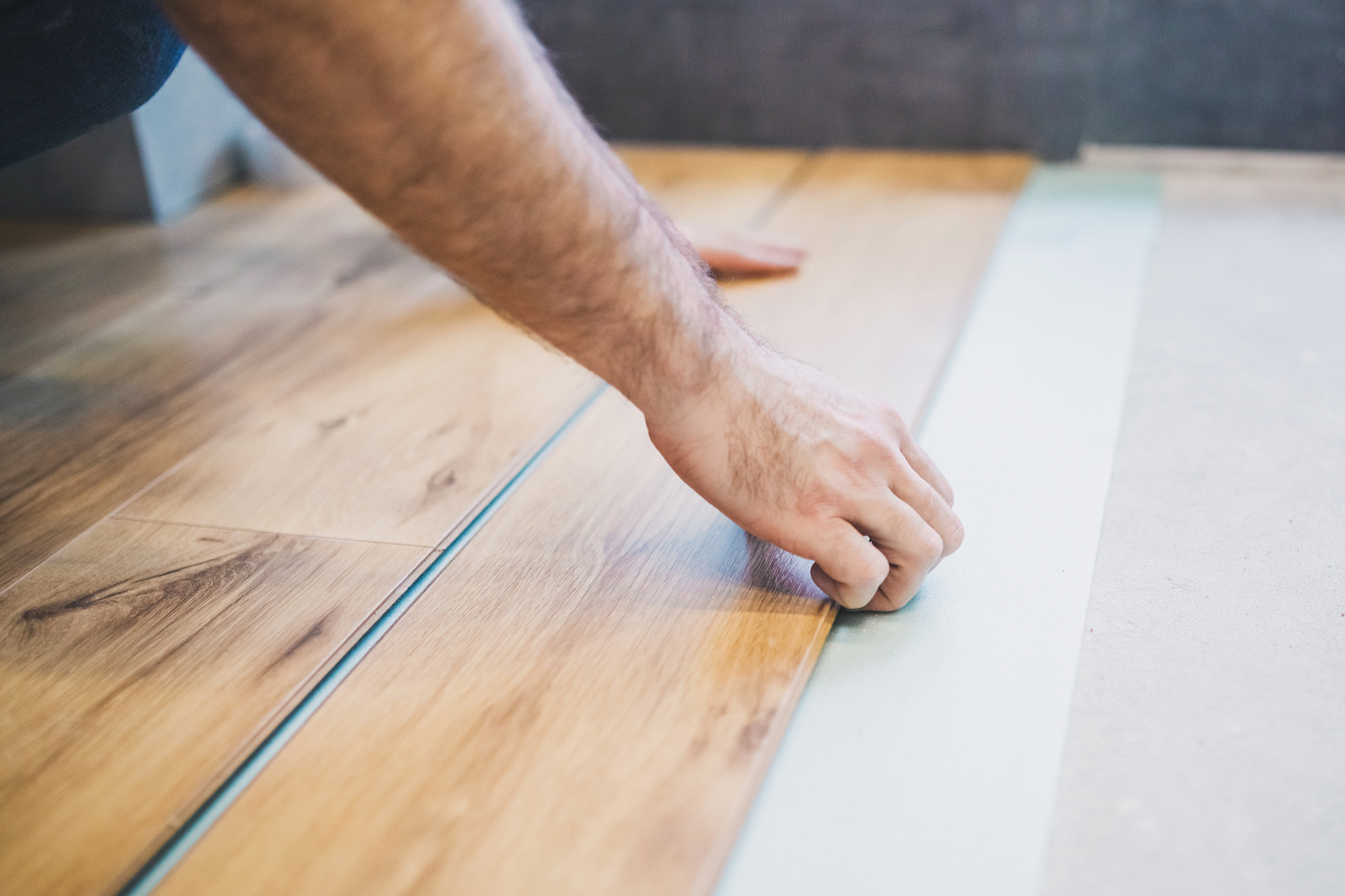
AC ratings are everywhere on laminate boxes, but most shoppers only hear the simplified version: “AC5 is best.” That’s not wrong, just incomplete. A laminate floor fails in the real world because of a few predictable villains: gritty entryways, rolling desk chairs, pet claws, kitchen drips that sneak into seams, and subfloor bounce that stresses click joints.
What an AC rating actually measures (and what it doesn’t)
AC stands for Abrasion Criteria, typically shown as AC1 through AC5. It’s primarily about surface wear resistance (how long the wear layer resists rubbing/abrasion before it shows visible wear). That means it’s most tied to:
Foot traffic scuffing
Grit abrasion (tiny sand particles acting like sandpaper)
Repeated friction (sneakers, chair legs, etc.)
AC rating does NOT directly measure:
Dent resistance (that’s more about core density and thickness)
Water resistance (edge seal + core + seam design)
Click-lock strength (profile engineering + material quality)
Scratch visibility (finish + sheen + décor layer pattern)
So yes, AC matters, but it’s only one axis of durability.
AC3 vs AC4 vs AC5 in real homes (practical matching)
Here’s a more useful translation:
AC3: “Everyday residential, moderate traffic”
Best for: bedrooms, guest rooms, low-traffic offices
Avoid if: main entryways, kitchens, homes with big dogs, constant entertaining
Why: AC3 can hold up fine in calmer zones, but gritty shoes and frequent vacuuming cycles will stress it faster.
AC4: “Busy residential, light commercial crossover”
Best for: living rooms, hallways, open-plan spaces, family homes
Great if: pets/kids, frequent guests, active households
Why: AC4 is the “smart default” for most homes because it handles abrasion well without paying for commercial-level spec you may not need.
AC5: “Commercial-grade wear layer, high abrasion tolerance”
Best for: heavy-use hallways, entry corridors, rental properties, home gyms (depending on equipment), boutique retail-style traffic
Consider if: you want maximum wear resistance and plan to stay long-term
Hot take: AC5 is not automatically the best value. If the product has an AC5 label but a weaker core or mediocre seam design, it can still swell at edges or sound hollow. An excellent AC4 can outperform a cheap AC5 in kitchens and entries.
The specs you must check alongside AC rating
If you’re choosing laminate for New England conditions, these are the deal-makers:
1) Core density and type (HDF quality matters)
Higher-density HDF cores resist compression better, helping with:
Dent resistance
Click-lock stability
Less “crunch” or flex over imperfect subfloors
2) Thickness (usually 8mm vs 10mm vs 12mm)
Thicker isn’t automatically tougher, but it can:
Reduce hollow sound (with correct underlayment)
Improve perceived solidity
Help tolerate minor subfloor imperfections
3) Edge treatment and seam sealing
This is where kitchens live or die. Look for:
Tight click profiles
Factory edge seal or enhanced seam protection (varies by brand)
Minimal bevel if you want fewer dirt lines
4) Underlayment compression strength
Soft underlayment can cause joints to flex, weakening the lock over time. You want an underlayment rated for:
Compression strength
Vapor protection (if slab/basement)
Sound control (if needed)
Room-by-room “late night Google” cheat sheet
Entryway: prioritize seam durability + underlayment + gritty shoe resistance; AC4 or AC5
Kitchen: AC4/AC5 is fine, but water performance depends on core + seams more than AC
Living room: AC4 is usually ideal
Bedrooms: AC3 works, AC4 for long-term durability
Home office: AC4 if you use a rolling chair; use a chair mat regardless
Quote and spec questions to ask before buying
Is the AC rating backed by recognized testing, and what else is specified (thickness, core type)?
What underlayment is recommended for this locking system?
What are the warranty exclusions around moisture, bathrooms, or wet mopping?
How will subfloor flatness be addressed before installation?
AC ratings are a solid starting point, but the best laminate choice comes from matching wear resistance to your traffic patterns, then locking in the right core quality, seam design, and underlayment. If you want help selecting a laminate that won’t disappoint after the first New England winter, contact L.A.F Floors & Interiors or visit us at Shrewsbury, MA. We serve homeowners across Worcester, Shrewsbury, Westborough, Southborough, Northborough, Grafton, and Millbury, MA.

